
As communicators on the ground at #WEF26, we arrived with anticipation. Geopolitical tensions were at a boiling point; could a “spirit of dialogue” be enough to cut through?
This year, we saw firsthand that Davos isn’t just about big ideas on AI, climate or geopolitics. It’s about how leaders communicate under pressure. From the Carney effect to the new value of trust, we explore five key takeaways for comms professionals and what they mean for cutting through complexity on the global stage.
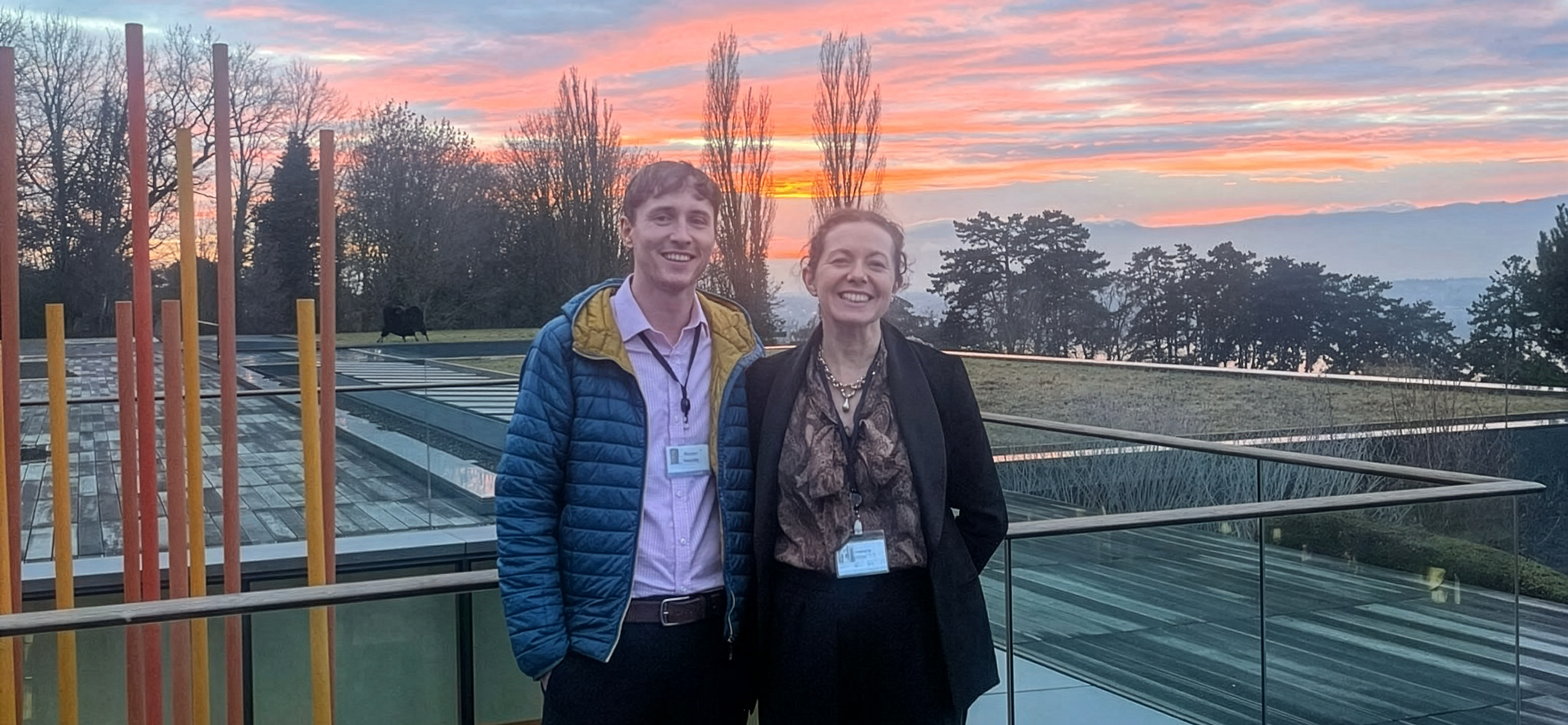
Kate, Tom, and I worked hand-in-hand with the Forum’s digital and social teams throughout the week. From reporting on the 200+ sessions in real time on social and the live blog to distributing content across global channels, one thing is certain: each Davos demands more trust, sharper judgement and faster execution.
Davos 2026: Key takeaways for strategic comms
This year’s Annual Meeting reinforced that strategic communication has never been a more critical leadership skill. With trust eroding, risks rising and institutions facing intersecting pressures, organisations and marketing professionals need to prioritise authentic, credible communication to truly cut through. Here are our key takeaways:
1. Trust as the new ‘license to operate’
-
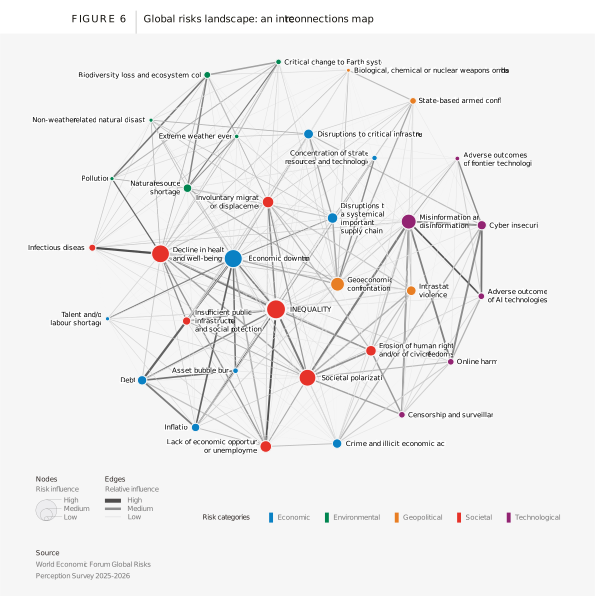
The Global Risks conversation linked mis- and disinformation, polarisation and cyber risk as reinforcing threats that directly erode institutional credibility.
-
Trust was described as a strategic asset in AI, with leaders framing verifiable trust and responsible deployment as the key conditions for unlocking AI’s multi‑trillion‑dollar value.
-
Edelmann’s 2026 Trust Barometer found that 70% of people globally are “unwilling or hesitant” to trust anyone different from them – in this new insular era, trust is now a leadership skill that CEOs and global leaders must prioritise.
For comms teams, this means moving from sentiment‑driven storytelling to proof‑driven narratives:
-
Trust‑anchored storytelling: Root stories in verifiable facts and highlight concrete examples to build credibility.
-
Leadership skill: CEOs and execs must model trust, but it’s the communications teams who must amplify and protect it.
2. AI shifting from hype to proof
-
From conversations with tech leaders to debates over whether there’s an AI bubble, artificial intelligence dominated the agenda at Davos 2026. But the tone has shifted decisively from experimentation to execution, governance and responsible deployment.
-
The discussion didn’t stop there. Across live sessions and private conversations, attention moved beyond the immediate impact on jobs and skills to a longer-term question: what kind of future is being shaped for young people?
-
With younger generations set to lead the jobs of tomorrow, communications professionals need to understand how they are engaging with this technology and how they’re really navigating it.
This means treating AI as a high-stakes communications topic, by:
-
Human-first framing: Link AI to people, skills and adaptability.
-
Scenario-driven storytelling: Use concrete examples, FAQs, and real-world use cases to address privacy, bias and job impact.
-
Leaders as translators: Help audiences connect technical concepts to tangible human and business outcomes.
3. The ‘Carney effect’: narrative power in a ruptured world
-
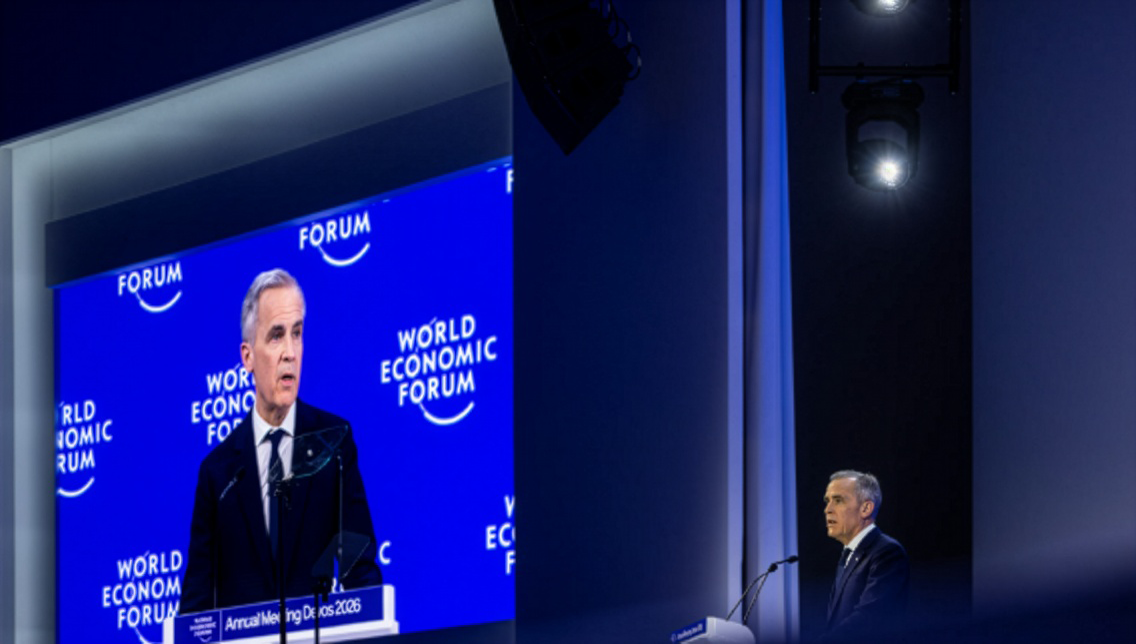
Mark Carney’s Davos address framed the current geopolitical moment as a “rupture, not a transition”, arguing that great powers are weaponising economic integration and forcing states to build strategic autonomy in energy, food critical minerals and AI.
-
He explicitly tied foreign policy, industrial strategy and AI investment into a single story about middle powers seeking agency in a fractured order.
What ‘the Carney effect’ means for comms:
-
Narrative is strategy. Carney’s sharp language and disciplined use of metaphor cut through on the global stage, reframing a complex geo-economic debate into a story broad audiences could grasp and repeat.
-
The most effective leaders don’t just explain policy; they connect systems. By weaving geopolitics, technology and economics into one compelling storyline, Carney’s speech illustrates the power of an effective narrative.
4. Sustainable transformation
One of the key questions that the Forum posited at this year’s Davos was “How can we build prosperity within planetary boundaries?”
-
It’s now clearer than ever that sustainability isn’t just ethical, it makes economic sense. The critical tipping point for the wide-scale adoption of sustainable technologies is the narrative around the economic benefits.
-
Discussions on energy and climate stressed unequivocally that “business-smart is climate-smart”, with leaders doubling down on the importance of investment, competitiveness and policy certainty.
Climate-nuance for comms professionals:
-
Trust as an imperative leadership skill: Comms leaders need to be anchoring sustainability messages in hard levers and timelines.
-
Leaders at Davos: Many framed climate and nature communication through a lens of competitiveness (productivity, risk reduction, market access). Consider this nuance in your sustainability storytelling.
-
Transition-specific messaging: Link sustainability stories to incentives, capital, and trade-offs.
5. Investing in people to unlock better tech
While geopolitics and headline-grabbing leaders dominated the agenda, conversations around investing in people played a critical role at Davos. Of course, leaders and organisations alike recognise that human well-being and human capital are the foundations of economic resilience.
-
AI isn’t just a technology challenge; it’s a workforce challenge. Skills shortages and uneven AI readiness are emerging as systemic risks to competitiveness, affecting entire economies, not just individual companies.
-
Tech leaders stressed that skilling and inclusion are as central to the digital economy as physical infrastructure, with the Forum’s Reskilling Revolution set to support over 850 million workers by 2030 in future‑ready skills.
-
AI is transforming job profiles and digital skillsets, but rewarding humanity remains key: creativity, adaptability and other uniquely human skills are both hard to automate and in growing demand.
Randstad launched its latest Workmonitor 2026 report during Davos, and we’re proud of our involvement.
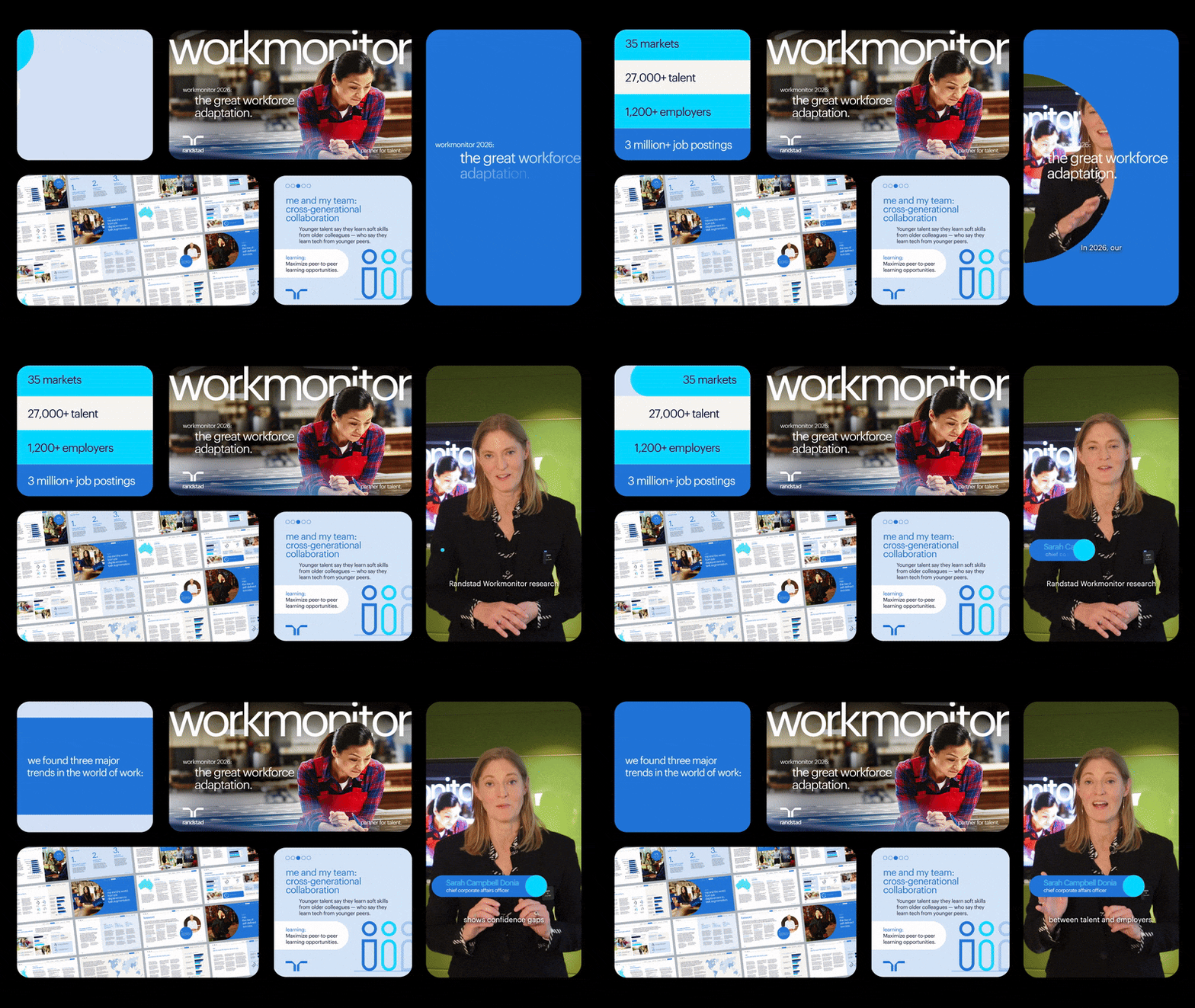
In a year of economic and technological disruption, a stark confidence gap has emerged: 95% of employers believe their business will grow in 2026, while only 51% of workers share this confidence. Termed The Great Workforce Adaptation, the report highlights key findings shaping work and skills this year, including:
-
AI as a solution: Technology works only when paired with human capability.
-
Portfolio careers: Flexibility and multi-skilling are essential.
-
Managers matter: Leadership is key to enabling employee success and adaptation.
The comms lens: Investing in people to better invest in tech:
To bridge the confidence gap between employers and the workforce, comms teams must treat human capital as the "operating system" for any technological shift.
-
Make skills a pillar: Pair every AI or automation announcement with concrete commitments to reskilling and internal mobility.
-
Pivot the narrative: Shift from "AI replaces skills" to "AI amplifies uniquely human capabilities", focusing on creativity and adaptability.
-
Prioritise equity: Showcase tangible efforts to make digital transformation accessible and inclusive across the entire organisation.
In a world increasingly defined by AI acceleration and climate-driven restructuring, here are the golden nuggets for comms professionals trying to navigate the rupture. You need to be:
-
Trust‑anchored: Persuasion alone isn’t enough; verification and credibility are non‑negotiable.
-
Geo‑literate: Communicate how global fractures shape corporate choices (à la Carney).
-
Human‑centred: Putting a human-first narrative at the core of your storytelling.
If you need help cutting through the noise, contact us today at hello@formative.agency.
Author: Meg Jones
